You’ve seen it happen. You drive through a neighborhood in Sanford after a heavy storm, and three fences are down while one is standing strong. Or maybe you've leaned against a post that looked fine on the outside, only to feel it crumble from termite damage on the inside. In Central Florida, choosing the right fence isn't just about aesthetics; it’s about survival against our 90% humidity, intense UV rays, and hurricane-force winds.
Whether you're a contractor stocking up for a big commercial job or looking for the best fence materials Sanford Florida has to offer for a residential project, understanding the pros and cons of each material is non-negotiable. Here is the breakdown of the four main fence types we supply and how they hold up to our unique climate.
Wood Fences: The Classic Choice
Wood fences remain the most popular choice in Central Florida because they offer natural privacy and a traditional look for a lower upfront cost than vinyl or aluminum. Pressure-treated pine is the standard here, costing roughly 30% less than cedar, but it requires diligent maintenance to survive our wet season. If you don't seal a pine fence every 2-3 years, the constant cycle of afternoon rain and scorching sun will warp the boards quickly.
While pine is cost-effective, many contractors in historic areas like Winter Park or Downtown Sanford prefer Cedar. Cedar has natural oils that repel our local termite population and resist rot better than pine. However, even the best wood fence has a lifespan of about 15-20 years in this climate. If you're sourcing fence materials Sanford Florida jobs require, always check if the posts are rated for ground contact to prevent premature rotting at the soil line.
Chain-Link Fences: Security on a Budget
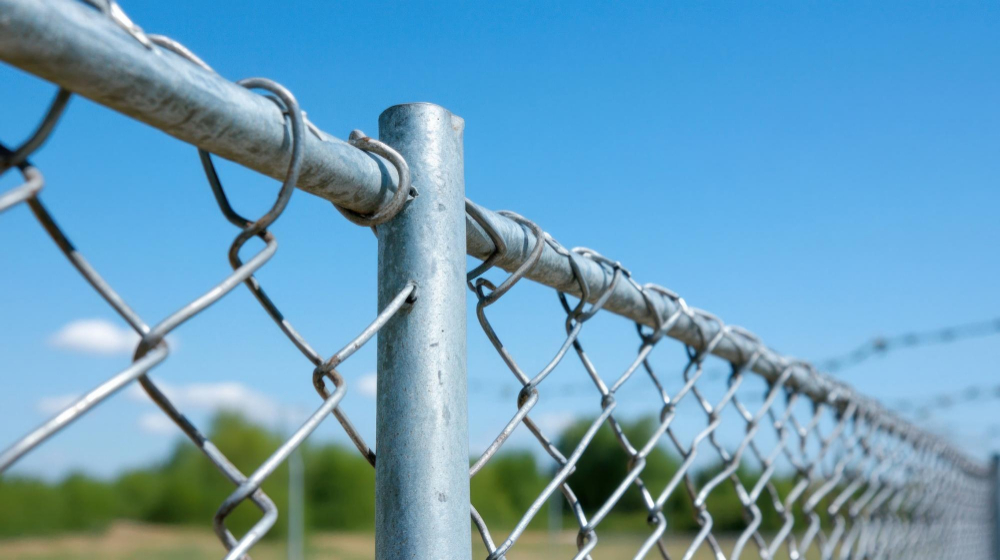
Chain-link fencing is the most durable, cost-effective option for securing large perimeters without blocking visibility or airflow. In terms of raw material costs, chain link fence materials generally run 30-50% cheaper than wood or vinyl, making them the go-to for commercial properties and large residential lots in places like MetroWest. The open weave design allows wind to pass right through, which means these fences rarely blow over during tropical storms.
Why it matters for Florida:
Rust is the enemy here. In the past, galvanized steel would eventually succumb to the humidity. Today, we recommend vinyl-coated chain-link. The coating acts as a shield against moisture and salt air, extending the life of the fence to 20 years or more. It’s ideal for pet containment or defining property lines where privacy isn't the main concern.
Vinyl Fences: The Low-Maintenance Leader
Vinyl fencing is the fastest-growing category in the industry because it's impervious to termites, rot, and moisture. In newer master-planned communities like Lake Nona or Heathrow, high-quality vinyl fence materials are often the only option approved by HOAs because they maintain their clean, new appearance for decades. While the initial material cost is higher—typically 1.5 times the cost of wood—homeowners save thousands over the fence's life by eliminating the need for paint, stain, or sealers.
Specifics for installation:
Cheap vinyl gets brittle in the Florida sun. We supply professional-grade vinyl that is thicker and contains UV inhibitors specifically designed to handle our UV index, which frequently hits 10+ in the summer. When installing vinyl in Sanford's sandy soil, it's critical to set posts at least 24-30 inches deep with concrete to ensure the solid panels don't act like a sail and tip over during high winds.
Aluminum Fences: Pool Safety and Elegance
Aluminum fencing provides the upscale look of wrought iron without the rust and maintenance headaches that come with steel. In Orange and Seminole counties, aluminum is the standard for pool enclosures because it meets the 48-inch height requirement and non-climbable construction codes (check your local regulations, as these can vary). It’s lightweight, incredibly strong, and powder-coated to resist chipping and peeling.
If you're looking for fence materials Sanford Florida residents trust near water, aluminum is the answer. Salt air corrodes steel quickly, but aluminum stands strong. We see this material used frequently in golf course communities like those in Dr. Phillips, where homeowners want security for their pets and kids but don't want to obstruct their view of the fairway or water.
Which Material Offers the Best ROI?
The best return on investment depends entirely on how long the owner plans to keep the property and their maintenance budget. For a flip or a short-term hold, wood offers the best immediate curb appeal for the lowest price. However, for a "forever home" or a commercial facility, vinyl or aluminum pays for itself after about 7-10 years when you factor in the lack of maintenance costs.
When we talk to contractors, we always remind them: cheap materials cost more in labor later. Replacing a warped panel or a rusted chain-link section takes time away from new jobs. Starting with commercial-grade materials ensures the install happens once and lasts.
Need to Restock for Your Next Job?
Whether you're a contractor with three crews running or handling a massive commercial install, you need a supplier who understands the local market. We don't just sell fences; we help you plan the project so you have exactly what you need, right when you need it.
Contact Fence Flow Supply today at (689) 341-6459 to discuss contractor pricing and delivery options. Let’s get your next project secured.